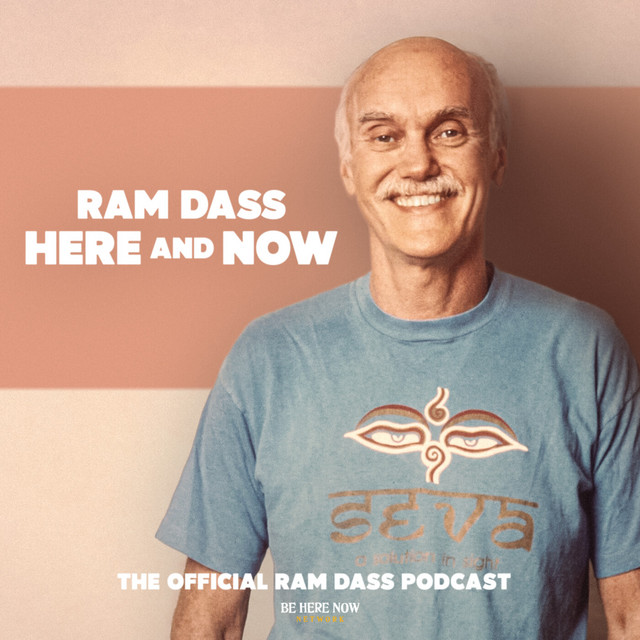
"Re Man Lullaby" is a kirtan composition by Ajeet Kaur, a devotional musician known for blending traditional Sikh and yogic traditions with contemporary sacred music. Released on the album Haseya in 2016, this piece functions as a meditative lullaby—designed to settle the mind and invite spiritual rest through the repetitive, soothing qualities of mantra and kirtan. The song exemplifies how sacred sound can be used as a tool for inner calm and devotional practice, accessible to both experienced practitioners and newcomers to kirtan traditions.
What is Kirtan and How Does It Function as a Spiritual Practice?
Kirtan is a form of call-and-response devotional singing rooted in Hindu and Sikh traditions. Unlike passive listening, kirtan invites participants to sing along with a lead vocalist, creating a participatory spiritual experience. The repeated chanting of mantras and divine names is believed to attune the mind and body to higher frequencies of consciousness, moving the nervous system from a state of activation into one of rest and receptivity.
The practice works on multiple levels: the melodic structure provides an anchor for attention, while the rhythmic repetition of sacred syllables creates a meditative effect. For many practitioners, the combination of breath, voice, and communal sound generates a state of what some describe as "heart opening"—a dissolution of the ordinary boundary between self and the divine. This is not restricted to any single religious framework; kirtan has been embraced across secular and spiritual communities as a form of musical meditation.
The Role of Lullabies in Spiritual Traditions
A lullaby, in its classical sense, is a song meant to soothe and induce sleep or rest. In spiritual contexts, a lullaby serves a deeper purpose: to quiet the restless mind and transition consciousness from the waking, thinking state into one of surrender and receptivity. Many indigenous and contemplative traditions use gentle, repetitive song to prepare the body and mind for deeper states of meditation or rest.
By titling this piece "Re Man Lullaby," Ajeet signals its intended effect: to calm the mind (man in Sanskrit) and guide the listener toward a state of repose. Rather than functioning as a background track, the piece invites active listening and, ideally, participation through singing along. The producer credits—including Maneesh De Moor and A&R oversight by Ram Dass Khalsa, a longtime student of spiritual teacher Ram Dass—suggest careful attention to both the sonic and spiritual dimensions of the composition.
Ajeet Kaur's Approach to Devotional Music
Ajeet Kaur is a respected kirtan artist and spiritual musician who has dedicated her career to making sacred music accessible and contemporary while honoring traditional roots. Her work often bridges the Sikh gurdwara tradition with modern yoga and meditation communities in the West. Her albums are produced with attention to both musicality and meditative quality, ensuring that the music serves not merely as entertainment but as a genuine tool for practice.
The album Haseya, which contains "Re Man Lullaby," reflects this commitment. Released under Spirit Voyage Records—a label known for kirtan, mantra, and meditation music—the album positions this piece within a larger ecosystem of devotional music designed to support daily spiritual practice. Spirit Voyage's catalog attracts practitioners from yoga studios to meditation centers, suggesting that "Re Man Lullaby" is intended for use in both formal and informal settings: evening meditation, restorative yoga classes, before sleep, or personal contemplative practice.
How to Use "Re Man Lullaby" in Daily Practice
For those new to kirtan or meditative music, "Re Man Lullaby" can be incorporated into practice in several ways:
- Evening meditation: Play the piece during a sunset or evening sitting to transition from the activity of the day into a calmer state.
- Sleep preparation: The lullaby function of the piece makes it suitable for listening before bed, either as background sound or as an active meditation practice.
- Restorative yoga or yoga nidra: The piece can support longer-hold poses or guided relaxation practices.
- Communal kirtan practice: If the lyrics and melody are accessible, singing along with the recording during a group practice amplifies the meditative and devotional benefits.
- Breath-centered practice: The melodic contours of kirtan often invite natural breathing rhythms; listeners can coordinate breath with the vocal line to deepen relaxation.
The Sonic Elements That Support Meditation
Sacred music designed for meditation typically incorporates specific sonic features that distinguish it from other genres. These include sustained tones, minimal harmonic complexity (allowing the mind to settle rather than follow elaborate chord progressions), repetitive rhythmic patterns, and often the use of traditional instruments like harmonium, tabla, and sarangi that carry spiritual resonance within their traditions.
"Re Man Lullaby," produced by Maneesh De Moor, likely incorporates these elements to create an environment in which the listener's nervous system can downregulate. The title's reference to "Re"—which in Indian classical music is a specific note of the raga system—suggests intentional attention to the scalar and tonal dimensions of the piece. Each note in a raga carries emotional and energetic associations; the choice of "Re" as the titular note may indicate a specific emotional or energetic quality the composer wished to evoke.
Why Devotional Music Matters in Contemporary Spiritual Practice
In an era of widespread anxiety and overstimulation, the availability of devotional music created by experienced practitioners offers a form of spiritual resource that is simultaneously accessible and profound. Unlike music designed purely for entertainment, kirtan and mantra are created with the intention of elevating consciousness and supporting inner transformation. The distinction matters: the mind responds differently to music engineered for its commercial appeal versus music offered as a spiritual offering.
Ajeet's work, and pieces like "Re Man Lullaby," represent a growing body of contemporary sacred music that honors traditional practices while meeting modern listeners where they are. Whether encountered in a yoga studio, through a meditation app, or during a personal practice session, such music serves as a bridge between the ancient traditions of kirtan and mantra and the lived experience of people seeking peace and spiritual connection today.
Where to Go From Here
If "Re Man Lullaby" resonates with you, consider exploring Ajeet's full album Haseya to understand the broader arc of her compositional voice. You might also investigate other kirtan artists on the Spirit Voyage label to discover additional pieces suited to your practice. If you're new to kirtan, learning about the mantras and their meanings can deepen the experience; many kirtan artists provide translations and explanations of the Sanskrit or Punjabi words they sing. For those interested in the meditative aspects specifically, pairing "Re Man Lullaby" with a consistent evening or morning practice routine will allow you to notice subtle shifts in your nervous system's responsiveness over time. Finally, if the piece calls to you, attending a live kirtan event in your area offers the opportunity to experience this tradition in its communal, interactive form.